Data center demand drives 66% surge in natural gas power plant costs

The insatiable appetite for electricity, largely driven by the burgeoning artificial intelligence (AI) sector, has prompted major technology companies to aggressively pursue natural gas-fired power generation to meet the immense energy demands of their data centers. However, recent data indicates that this strategy is becoming increasingly expensive and time-consuming, potentially impacting the pace of AI development and data center construction.
Skyrocketing Construction Costs and Delays Plague Natural Gas Power Projects
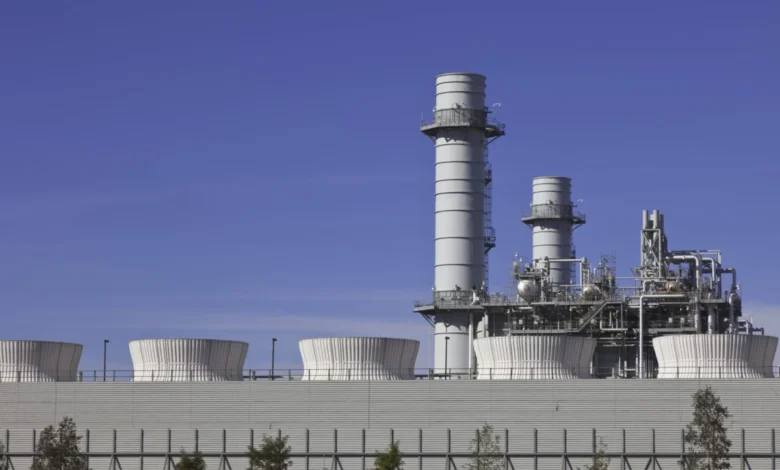
A recent report from BloombergNEF has illuminated a stark reality for the tech industry: the cost of constructing new natural gas power plants has surged by a staggering 66% over the past two years. This dramatic escalation in expenses, coupled with a 23% increase in project completion times, presents a significant hurdle for companies like Microsoft and Meta, who have been heavily investing in natural gas infrastructure.
The report details that the cost to build a new combined cycle gas turbine (CCGT) power plant, a common technology for large-scale electricity generation, has risen from less than $1,500 per kilowatt of generating capacity in 2023 to $2,157 per kilowatt in 2025. This price hike, despite relatively low natural gas prices in the United States, even amidst geopolitical tensions such as the ongoing conflict in Iran, underscores a complex interplay of supply chain issues, increased demand for specialized equipment, and potentially inflationary pressures within the energy sector.
The extended timelines for these projects are equally concerning. What was once a relatively predictable construction cycle has now become a protracted undertaking, with new facilities taking significantly longer to bring online. This delay can have ripple effects, potentially slowing down the deployment of new AI services and the expansion of existing data processing capabilities.
The AI Boom: A Double-Edged Sword for Energy Demand
The explosive growth of artificial intelligence has been a primary catalyst for the surge in electricity demand. AI models, particularly large language models and sophisticated machine learning algorithms, require immense computational power, which in turn necessitates vast and energy-intensive data centers. This escalating need has not only pushed tech companies towards securing their own power sources but has also put a strain on utility providers.
In the United States, the Trump administration’s directive for data center operators to "bring their own power" aimed to alleviate the burden on existing grid infrastructure. However, this policy shift has, in many cases, led utilities to pass on the costs of new generation infrastructure to their customers. This has contributed to a growing public backlash against the proliferation of data centers, with communities raising concerns about the environmental impact, visual blight, and increased energy consumption associated with these facilities.
The sheer scale of future data center energy demand is projected to be substantial. Current data center electricity consumption stands at approximately 40 gigawatts, but this figure is expected to nearly triple to 106 gigawatts by 2035, representing a 2.7-fold increase. This forecast is driven by several factors, including the increasing number of new data centers being built and the significantly larger footprint of these new facilities. While only 10% of data centers are currently 50 megawatts or larger, the next decade is anticipated to see the average data center exceed 100 megawatts in capacity, further amplifying their energy requirements.

A Shift in Strategy: From Renewables to Natural Gas, and Back Again?
Historically, many tech companies favored grid-connected data centers that relied on power purchase agreements (PPAs) for renewable energy sources such as wind, solar, and battery storage. These arrangements offered a more sustainable and often cost-effective energy solution. However, the confluence of escalating electricity demand, particularly from AI workloads, and rising public opposition to data center development has prompted a re-evaluation of energy strategies. This has, in turn, spurred a renewed interest in natural gas power plants as a perceived more readily available and scalable energy source.
The intense demand for natural gas power plants has created a bottleneck in the supply chain for a critical component: gas turbines. These sophisticated pieces of machinery are essential for the operation of CCGT plants and constitute a significant portion of their overall cost. By the end of 2026, prices for gas turbines are projected to have increased by an astounding 195% compared to 2019 levels. This price surge is attributed to a complex supply-demand crisis, exacerbated by the intricate manufacturing processes required for gas turbines, which do not lend themselves to rapid scaling. As a consequence, manufacturers are facing extended waitlists, with orders now stretching into the early 2030s.
Alternative Paths Emerge: Google’s Renewable-Centric Approach
While many in the tech industry have gravitated towards natural gas, not all are fully committing to this fossil fuel-dependent strategy. Google, for instance, has begun to articulate a distinct approach to powering its data centers. The company is focusing on integrating renewable energy sources with advanced, long-duration energy storage solutions. This strategy includes partnerships with companies developing innovative battery technologies, such as Form Energy’s iron-air batteries, which are capable of discharging electricity for up to 100 hours.
This emphasis on renewables and long-duration storage offers a compelling alternative to the escalating costs and logistical challenges associated with natural gas power plants. Unlike gas turbines, the manufacturing of solar panels and batteries has generally seen a trend of decreasing costs over time, making them an increasingly attractive and sustainable option for meeting the growing energy needs of data centers. This divergence in strategies highlights a potential inflection point in how the tech industry approaches its energy consumption, with a growing recognition of the long-term economic and environmental benefits of renewable energy integration.
Broader Implications and Future Outlook
The current situation presents a complex set of implications for the technology sector, energy markets, and environmental policy. The increased reliance on natural gas, even as a transitional fuel, raises concerns about meeting climate goals and potentially locking in future greenhouse gas emissions. The rising costs of power plant construction could also slow down the pace of innovation and deployment of new AI technologies, as companies grapple with the significant capital investment required for energy infrastructure.
Furthermore, the public’s growing opposition to data centers, fueled by concerns over energy consumption and environmental impact, could lead to increased regulatory scrutiny and stricter permitting processes. This could further complicate and delay the expansion of data center capacity, potentially impacting the growth of the digital economy.
The trend towards larger data centers also means that future energy demand will be more concentrated, placing greater strain on local grids and potentially requiring more localized, dedicated power generation solutions. This underscores the need for robust and diversified energy infrastructure that can support the evolving demands of the digital age.
The divergence in strategies between companies like Microsoft and Meta, and innovators like Google, suggests a dynamic and evolving landscape. The ultimate success of each approach will likely depend on a variety of factors, including technological advancements, regulatory frameworks, market economics, and the ability of companies to secure reliable and sustainable energy sources. As the demand for AI and data processing continues to soar, the choices made today regarding energy infrastructure will have profound and lasting consequences for the future of technology and the environment. The challenge lies in balancing the rapid growth of the digital economy with the imperative to build a sustainable and resilient energy future. The coming years will undoubtedly reveal which strategies prove most effective in navigating this critical intersection.
Related posts: